A rare omega
Sea buckthorn is one of very few plant sources of Omega-7 — palmitoleic acid — a fatty acid researchers have studied as a signalling lipid, alongside the more familiar Omegas 3, 6 and 9.
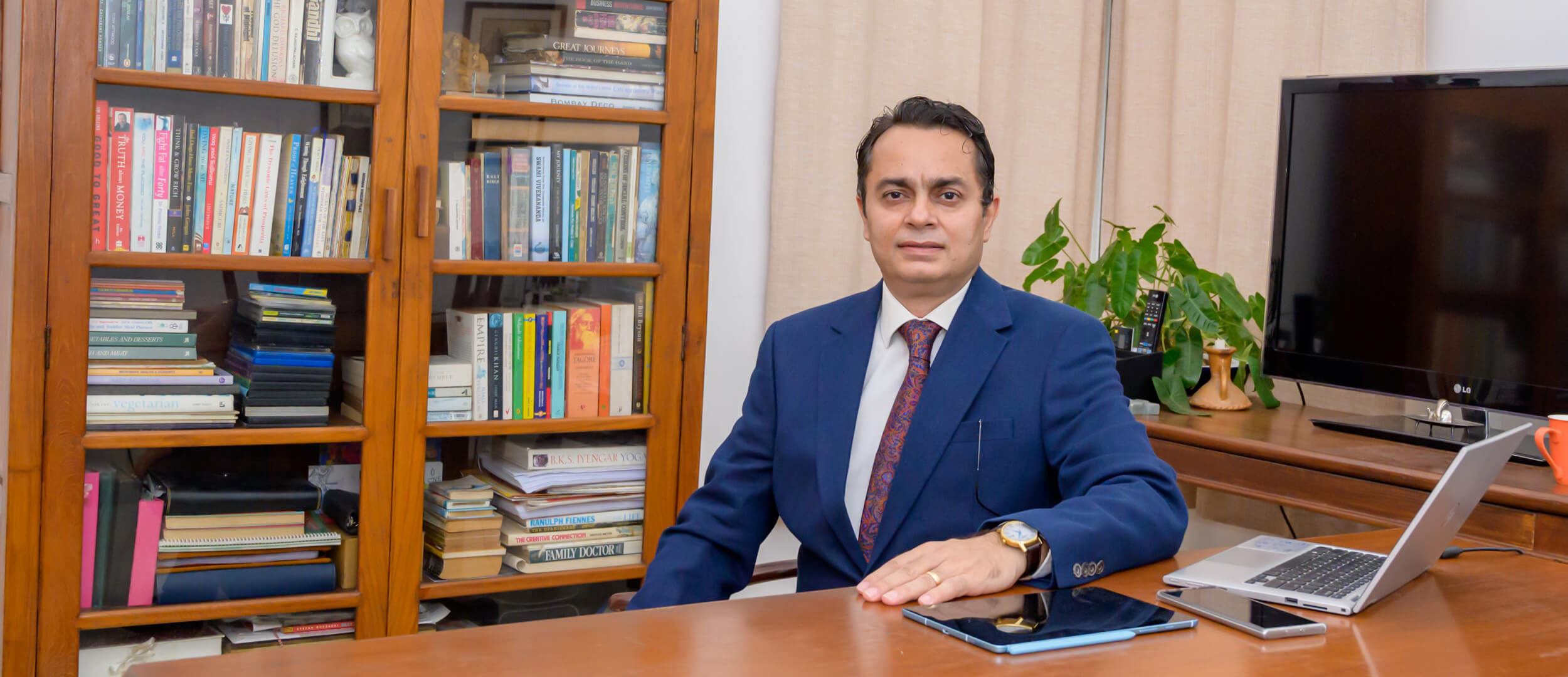
The Sea Buckthorn Guru
Managing Director, Biosash Business Pvt. Ltd.
Member, Seabuckthorn Association of India
Three decades spent bringing a wild Himalayan berry — and the science behind it — into ordinary Indian homes.
The Story
In the high cold desert of Ladakh, a thorny shrub has been fruiting for centuries at altitudes where almost nothing else survives. Locals ate it, fed it to horses, and thought nothing of it. Arjun Khanna thought a great deal of it.
The family had been working with Himalayan botanicals since 1993, when Biosash was founded by Sh. Ramesh “Nico” Khanna. Sea buckthorn was the plant that changed the company's direction — and Arjun's. From 2005 Biosash began moving the berry out of Ladakh's local markets and onto Indian shelves, and that effort became the work that has defined his career since.
Most of it was the unglamorous half: establishing what the fruit actually contains, understanding how communities in the cold desert had used it for generations, and then solving the much harder problem of getting a wild Himalayan berry into a bottle without destroying what made it worth bottling. Organic certification, lab testing and pre-clinical trials followed.
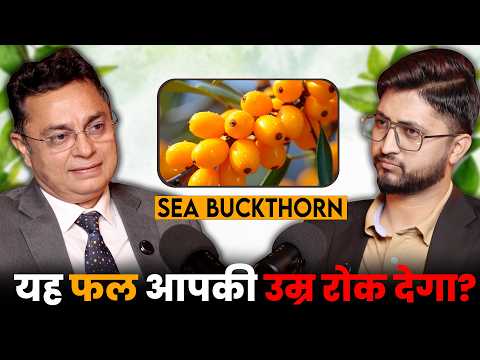
Somewhere along the way he became the person India calls to explain it — on podcasts, at industry conferences, and at the Seabuckthorn Association of India, of which he is a member. The name stuck: the Sea Buckthorn Guru.
The Subject
Hippophae rhamnoides grows wild between roughly 9,000 and 14,000 feet, in soil and cold that defeat most other fruit. That hostility is the point: the plant survives by manufacturing an unusually dense set of compounds, and those compounds are what Arjun has spent thirty years explaining to anyone who will listen.
Sea buckthorn is one of very few plant sources of Omega-7 — palmitoleic acid — a fatty acid researchers have studied as a signalling lipid, alongside the more familiar Omegas 3, 6 and 9.
Vitamins, carotenoids, flavonoids, phytosterols and fatty acids — a compound profile wide enough that the berry gets studied for skin, immunity and metabolic health at the same time.
Wild-harvested in the Ladakh cold desert rather than farmed at scale. Provenance is not marketing here — altitude and stress are what produce the chemistry.
Called the beauty berry across Europe and Central Asia, backed by decades of Russian and Chinese research, and until recently almost unheard of in Indian homes. Closing that gap has been the work.
The Company
Bio, meaning life. Sash, meaning protection. Founded in 1993 by Sh. Ramesh “Nico” Khanna and today India's only certified organic sea buckthorn brand — with Arjun Khanna as Managing Director.
Biosash brought sea buckthorn to Indian shelves from 2005 and built the thing that makes the category possible: a controlled process from berry picking to bottle, wild Himalayan sourcing, lab-tested purity, and pre-clinical trials that no other Indian company in the space had run.
The work has been recognised by the Defence Research and Development Organisation, by the National Award of Seabuckthorn, and at the International Sea Buckthorn Association's conference in New Delhi. His Holiness the Dalai Lama called it a blessed cause.
Visit biosash.comIn Conversation
Arjun is a frequent podcast guest and conference speaker, in English and Hindi, on sea buckthorn, Himalayan botanicals, and building a nutraceutical business in India.
As featured on
Speaking
Available for podcasts, panels, conferences, industry forums and media interviews — in English and Hindi.
The botany, the chemistry, the Ladakh supply chain, and how to tell a real product from a label with a berry printed on it.
What tribal medicine got right long before the literature caught up, and what is being lost as the people who hold that knowledge grow old.
Creating a category from zero: certification, pre-clinical trials, and the long argument for doing it slowly.
Nutrition, prevention and the gap between what Indian consumers are sold and what actually moves the needle.
Planning an episode, a panel or a keynote?
Get in touchContact
For speaking invitations, podcast bookings, press enquiries and collaborations.